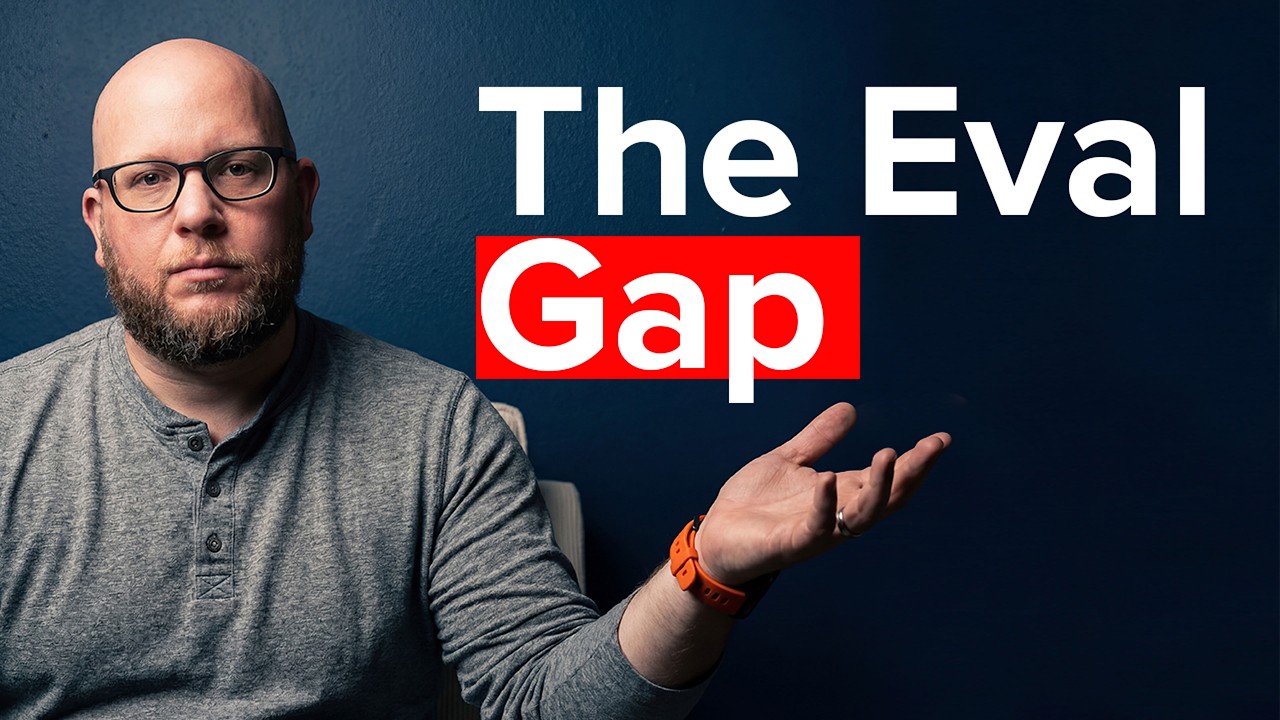
Most teams evaluate AI agents by vibes. Here are the four layers of evals you actually need to ship agents with confidence.
I walk through the eval stack I use on real agent projects — from unit-level prompt checks up through end-to-end trajectory scoring — and explain where each layer catches different classes of failure. If you’re building agents for production and wondering why regressions keep slipping through, this is the framework to borrow. Use the Agent Eval Scorecard to score your current coverage across all four layers in two minutes.
Free resource
Agent Eval Scorecard
Most teams ship agents based on 'it ran without errors.' Score yourself across the four layers of agent evaluation in two minutes — and find out where your quality gaps are before your users do.
Work with me
Building an AI agent?
I help teams design and ship agentic systems — from architecture to production.