


Production AI Engineering
Ship AI systems that survive real users, real costs, and real failure modes. Architecture, evals, observability, governance, and the production tradeoffs most teams skip until it hurts.
Explore the serviceProduction AI Engagements
I help engineers and teams ship better software with AI — smarter workflows, real-world decision-making, and systems that survive past the demo. For teams, that means working together on retainer. For everyone else, it's what I write and build in public.
Book an intro callLatest insights
Practical writing and video on AI agent architecture, development workflows, and what actually holds up in production.
Read the latest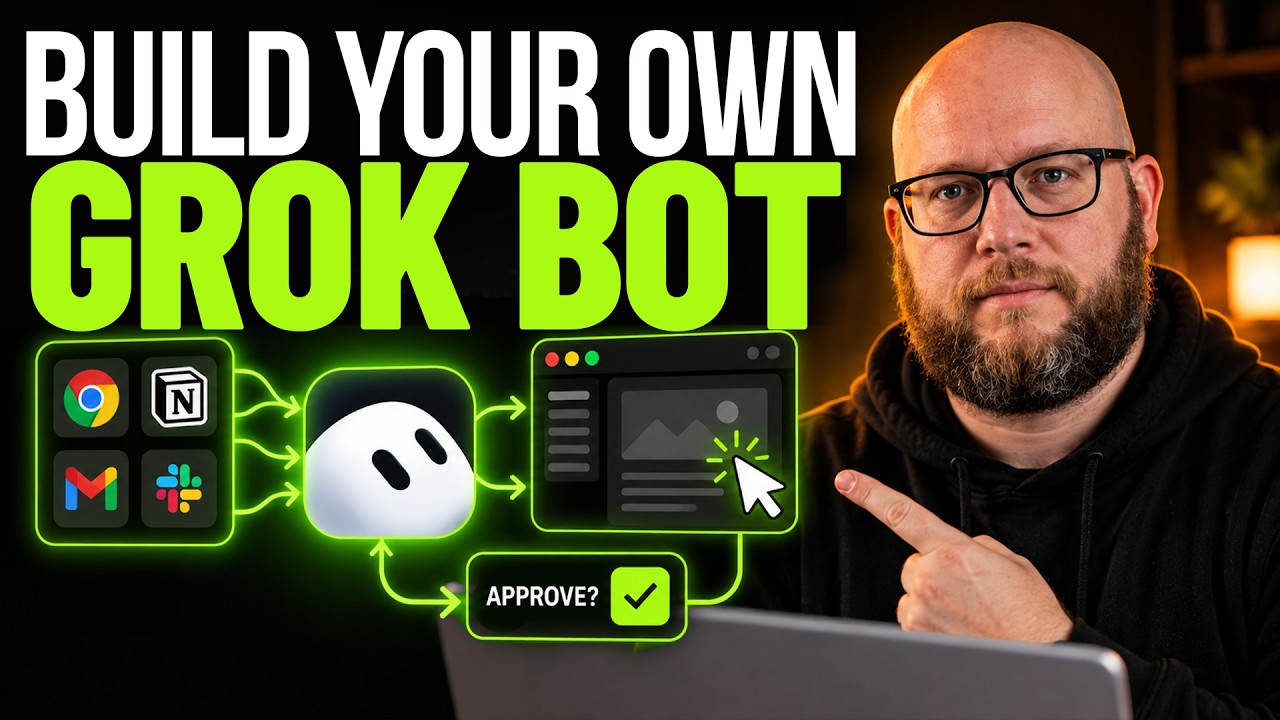 Video
VideoA Grok Bot-style assistant needs authenticated tools and its own computer. I build one in Mastra with Composio over MCP and E2B computer use.
A year on from my Claude Code setup: how I run Claude Code, Codex, and Pi with herdr, and the shape, build, review, ship loop behind it.
Read moreI merged claude-code-workflows and my old agent-skills repo into one library at dgalarza/agent-skills and removed the skills I no longer use. Here is the structure, the install changes, and the marketplace rename that breaks existing installs.
Read moreWebMCP lets your web app register typed tools for browser agents with document.modelContext.registerTool. No separate MCP server. Here's how it works, and when you still need one.
Read moreSchedule a Mastra agent with a scheduled workflow: declarative cron, date ranges in code, an evidence check, and a Slack post the model can't trigger.
Read morePartners & Clients







Areas of focus
Areas of focus
I offer a range of services but every conversation begins with the problem in front of you: what you're trying to ship, where it's breaking, or what decision is on the table. From there I'll work with you to determine what services are needed to get you to the goal post.
Ship AI systems that survive real users, real costs, and real failure modes. Architecture, evals, observability, governance, and the production tradeoffs most teams skip until it hurts.
Explore the service
Design agents with memory, tools, and boundaries that actually hold up. Memory systems, orchestration, tool use, governance, and the production patterns behind agentic systems.
Explore the service
CTO-level engineering leadership, augmented by agents that extend what one person can ship — at a fraction of the cost of a full-time hire. Architecture, strategy, and shipped code.
Explore the service
A professional security and production-readiness review for apps built with AI coding tools. Written report with prioritized fixes, delivered in days.
Explore the service
Building with Mastra? I help teams design, evaluate, and ship reliable TypeScript agent systems with architecture, evals, observability, workflows, RAG, memory, and implementation support.
Explore the serviceWorking with me
01
2 weeks • $12k
A focused 2-week engagement that produces a written architectural assessment and one shipped foundation piece. Either side can walk away after, or convert to retainer.
Most engagements that fail do so because both sides committed before they understood the work. The Sprint is small enough to validate fit on both sides — and produces something real either way.
What you walk away with
02
Ongoing • $15k – $60k / mo
Ongoing engagement at the intensity you need — Advisory, Embedded, or Full. Flat monthly rate, flexible hours, direction reset every two weeks. Two-month minimum after Foundation Sprint, then 30-day notice.
Senior architectural guidance without heavy implementation. Architecture review, technical strategy, hiring support, async availability for high-stakes decisions.
Best for: You have a strong engineering team but need a senior voice on AI architecture, hiring, or strategic decisions.
Hands-on implementation alongside advisory. I'm in your codebase shipping foundation pieces while also helping you make architectural calls.
Best for: You want me writing code on the highest-leverage workstreams while still advising the broader stack.
Senior IC running point on an AI workstream end-to-end. Build-heavy engagements where I function as your AI lead.
Best for: Build-heavy engagements where AI is the product or core differentiator. Foundation Sprint required first.
Every retainer includes
From the clients
“It's rare to find an engineer with deep technical knowledge, strong business acumen, and who also speaks “human”...
He turned out to be a true strategic partner who not only brought proper DevOps to that app and every other project we are working on at WareSpace, but also helped define the product direction, scope, roadmap, etc. through consultative working sessions.”
Case studies
Free resources
A few tools you can run against your own codebase right now — free, no call required. Start with where things actually stand before deciding what's worth fixing.
Read the latestA free agent skill that scores your repo across 8 dimensions for AI-agent readiness and gives you a prioritized improvement roadmap.
Score yourself across the four layers of agent evaluation in two minutes and find out where your quality gaps are before your users do.
30 yes/no questions across four dimensions. Find out if what you shipped holds up under scrutiny.
30 minutes. No pitch deck. We'll talk through what you're working on and I'll tell you honestly whether I can help.